CLARITY AND CONSISTENCY: PRACTICING CLEAR AND CONSISTENT HORSEMANSHIP ON THE GROUND FOR IN THE SADDLE
True horsemanship goes beyond riding skill or knowledge of tack—it is about forging a partnership with your horse, grounded in clarity, consistency, and kindness. Every moment spent with a horse, whether in the saddle, on the lead, or at the end of a longe line, is an opportunity to practice and reinforce the principles that make great riders and happy, willing horses.
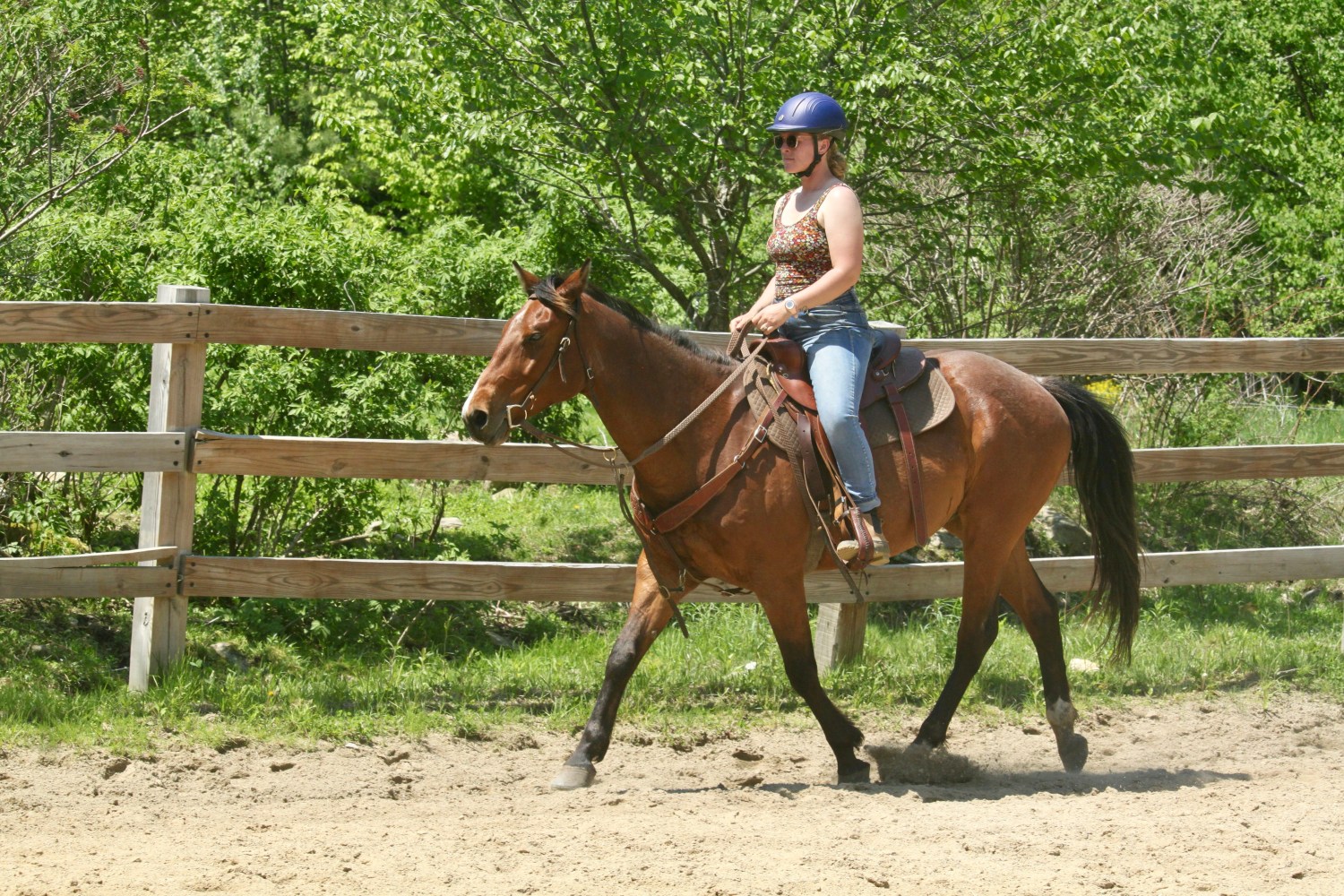
Julia trotting Zen at at Cornerstone Ranch
Consistency and Clarity: The Cornerstones
Whenever we are around horses, our communication should be clear and unwavering. This applies not only to our verbal cues but also to our timing, the lightness of our corrections, and the way we present ourselves physically. Horses thrive on routine and predictability; they learn best when expectations are consistent, no matter the practice and task at hand.
Every time we handle our horses—leading, longeing, ground driving, driving a vehicle, or riding—we should use the same commands, timing, and expectations. By doing so, we develop muscle memory and build our horses’ reliability. The cues and boundaries we establish on the ground should mirror those we use while riding. This consistency helps our horses understand what we are asking, regardless of whether we’re holding a lead rope or sitting in the saddle.
Practical Applications: Leading and Longeing
When leading, avoid the temptation to pull or drag your horse. Stand at the horse’s shoulder and use the verbal command “walk” once, then allow the horse to respond. If he does not, follow up with a light tap from a dressage whip behind where your leg would be if mounted, increasing only as necessary. This teaches your horse to move forward from your request, not from pressure on the lead rope. For stopping, use the command “whoa” and wait for the horse to respond. If needed, gently pull back on the halter using the lead rope or lightly tap the horse on the chest with the dressage whip. It’s best always to reward any effort or try with verbal praise and/or a gentle rub or pat.
Stand still in the center when longeing and let your horse move in a controlled circle; chasing after a horse on the longe confuses the message, as you would not run beside your horse while riding. Train to longe slowly by training your horse to walk and halt with verbal cues before moving on to faster gaits. Be consistent: “whoa” must always mean stop, no more, no less.
Every Moment Matters
This approach applies equally to riding, driving, grooming, leading, longeing, and ground driving. Use the same clear, consistent commands and maintain good posture—standing tall, head up, eyes and hands soft, holding the reins or rope in each hand in the same position as when riding. The time we spend with our horses, whether we are engaged in an activity, is an opportunity to reinforce good habits. By treating every interaction as practice for riding, we build trust, understanding, and proficiency. Our horses become more responsive and confident, and we, in turn, become more mindful, kind, and effective horsemen and horsewomen.
Ultimately, true horsemanship is about showing up with clarity and consistency in everything we do. Our horses will thank us for it—with their trust, their try, and their partnership both on the ground and under saddle.